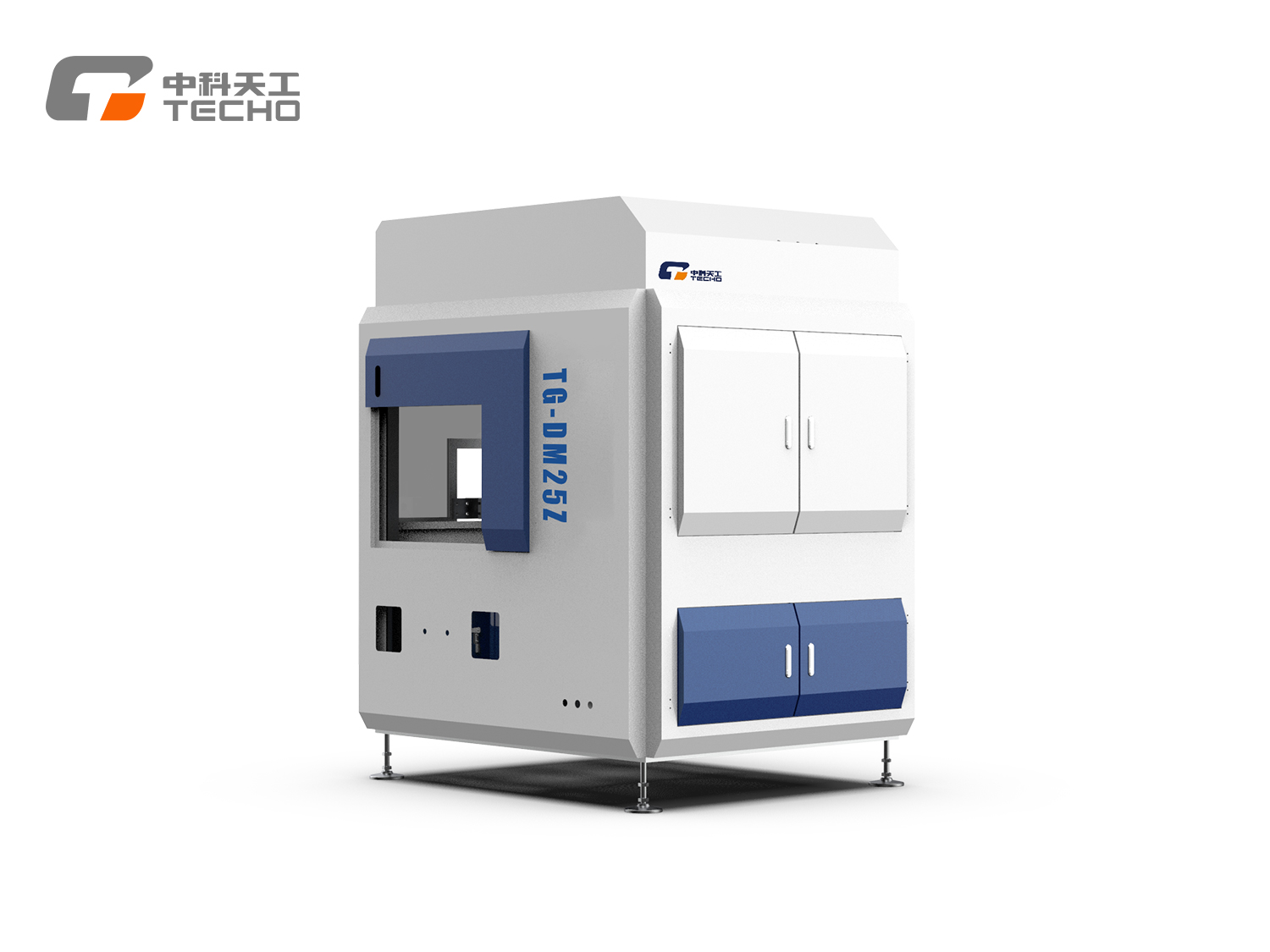
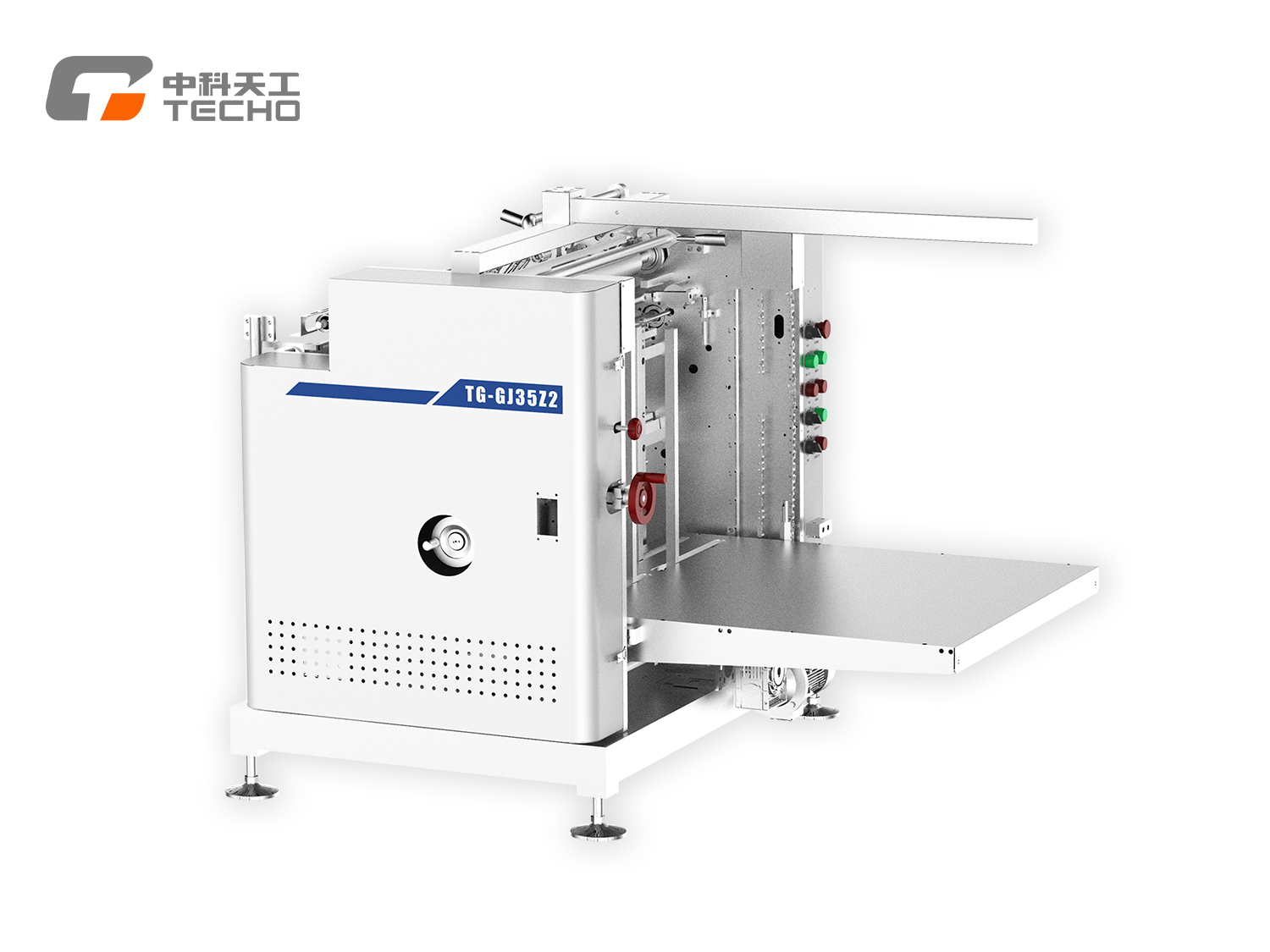
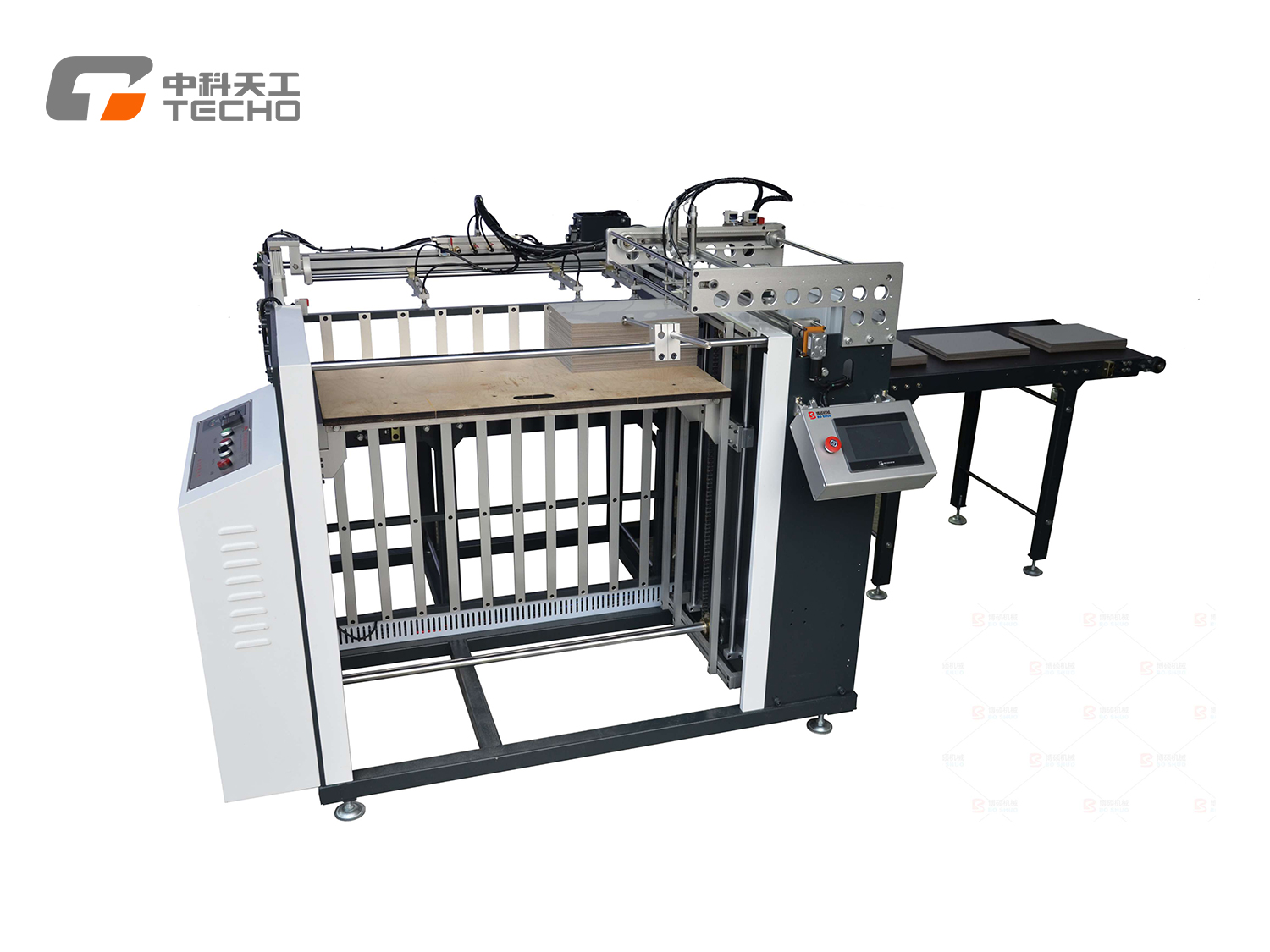
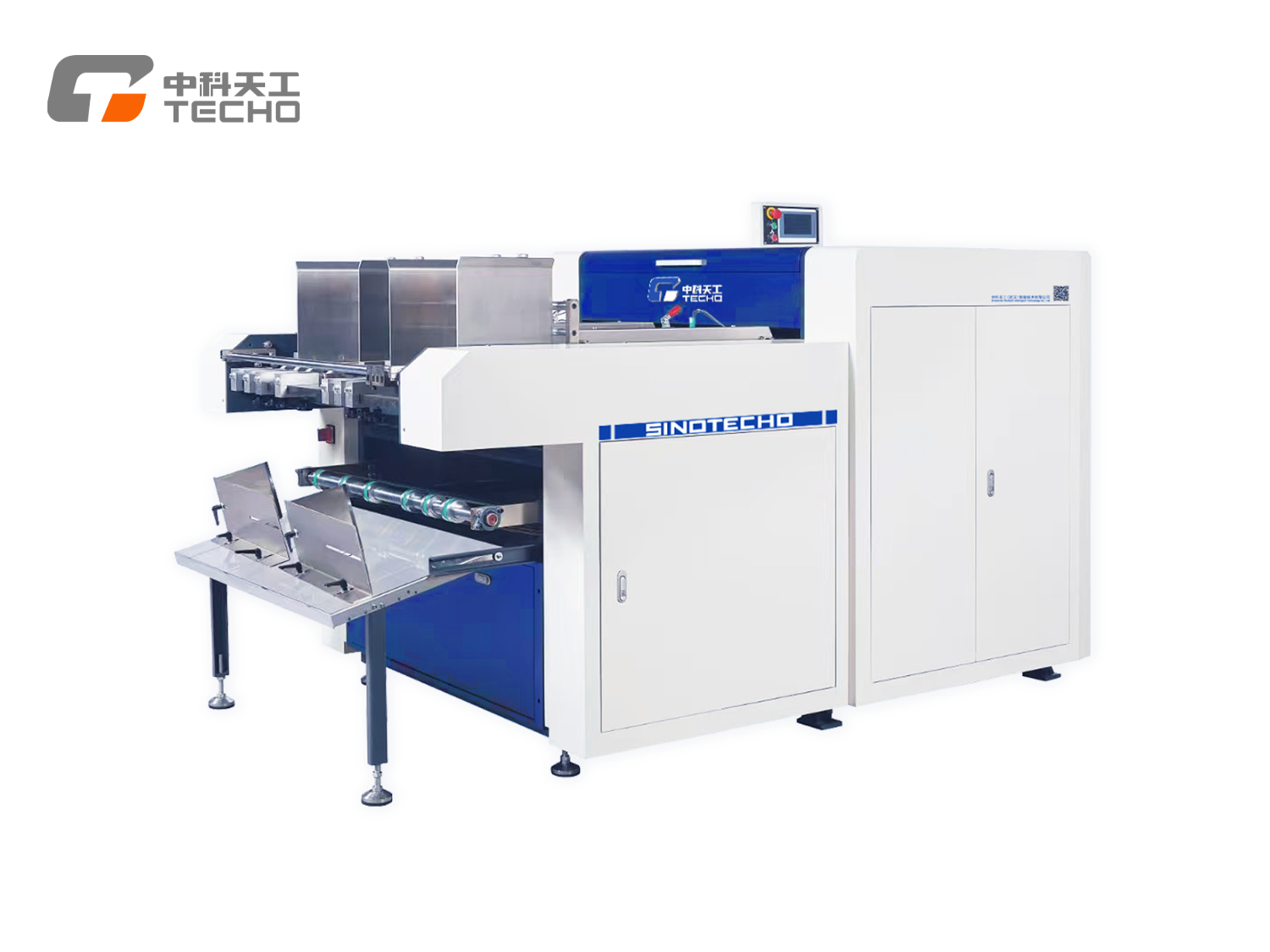
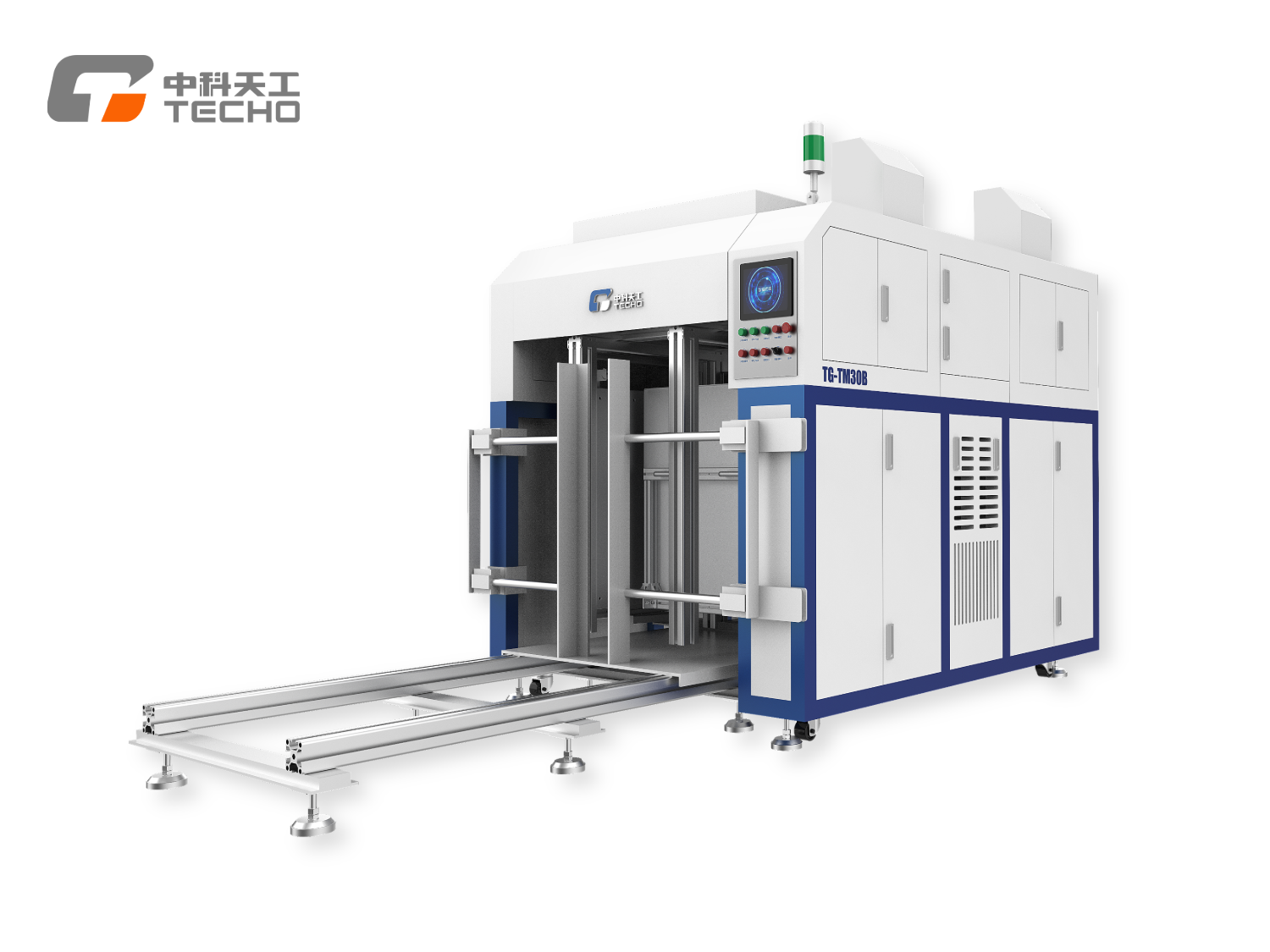
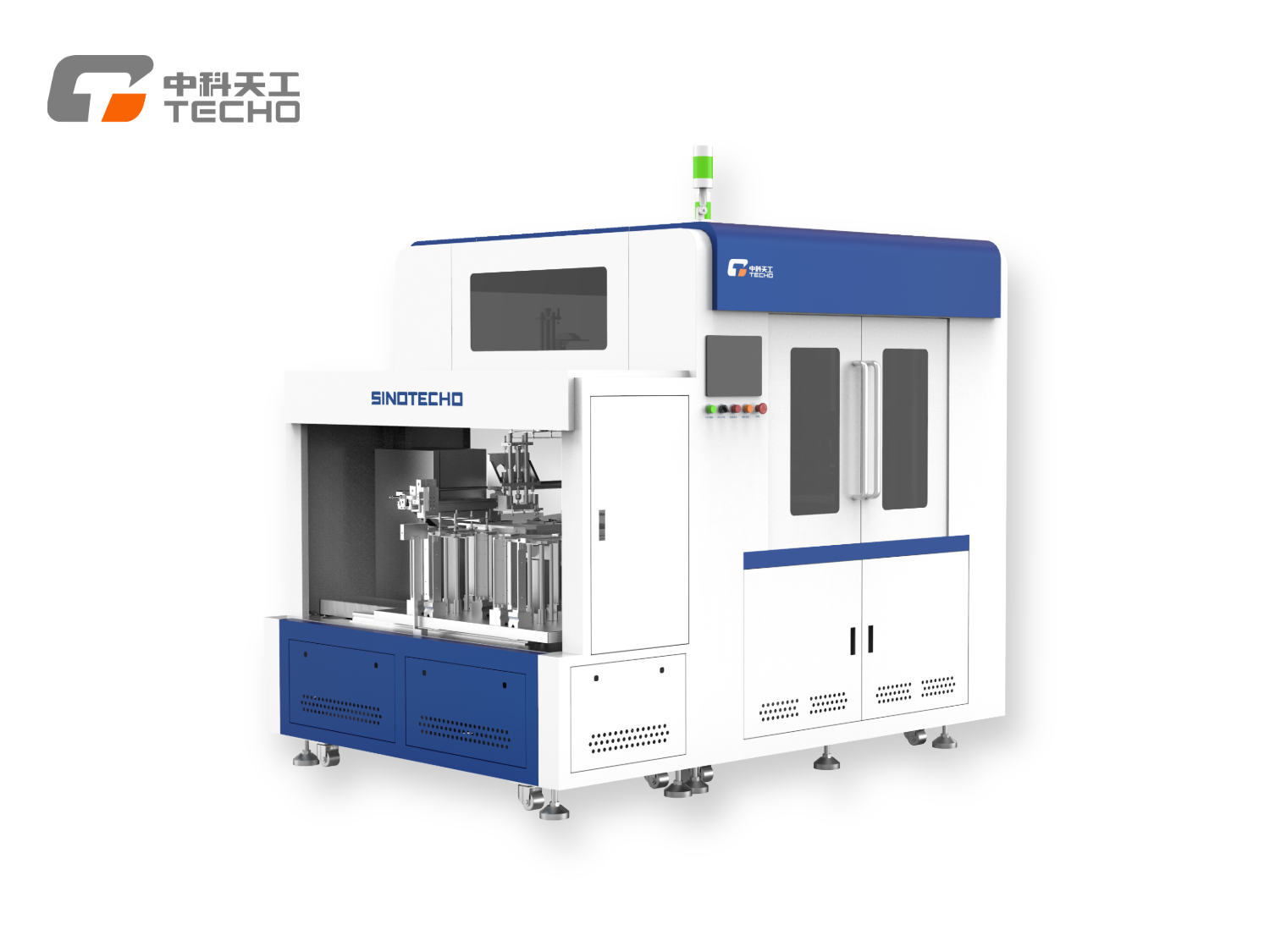
Automation Solutions for Slim Pack Packaging
➯Packaging Type:

➯ Product Positioning:
Premium / Slim / Long-format pack
➯Packaging Quality Requirement:
High appearance consistency, Tight wrapping & clean edges
➯System-Level Practices in Smart Tobacco Packaging Manufacturing
1. Industry Background and Trends: Manufacturing Enters an “Energy-Constraint-Driven Industrial Restructuring Phase”
The global manufacturing industry is undergoing a structural shift in its competitive logic. The core focus is no longer limited to production capacity and cost control, but is increasingly shifting toward a systemic competition based on energy efficiency and sustainability capabilities.
This transformation is driven by three overlapping pressures:
1.1 Structural rise in energy costs
Over the past decade, electricity, labor, and logistics costs have continued to increase, significantly changing the cost structure per unit of output in manufacturing. In high-precision manufacturing in particular, energy consumption is increasingly becoming a core variable comparable in importance to material costs.
1.2 ESG and carbon regulation entering enforcement stage
ESG (Environmental, Social, and Governance) and carbon emissions regulations are being continuously strengthened. Across major industrial economies in Europe, America, and Asia, carbon management has shifted from a “reporting requirement” to an “operational constraint.” Companies are now required not only to disclose emissions, but also to demonstrate real reduction capabilities and traceable process-level data.
1.3 Traditional efficiency optimization entering diminishing returns
Many manufacturing systems have already completed the first stage of automation upgrades. Relying solely on equipment upgrades or localized efficiency improvements can no longer deliver significant marginal gains.
2.Industry Focus: Why Tobacco and High-End Packaging Are Representative
Among manufacturing sectors, tobacco packaging and high-end consumer packaging represent a typical example of “high-complexity manufacturing systems,” characterized by:
· Multi-process continuous production workflows
(printing–die cutting–forming–inspection–packaging–logistics)
· High precision and strict consistency requirements
· High-density equipment cluster environments
· Multi-SKU, small-batch, high-frequency changeover production models
These factors result in the following characteristics:
(1) Complex energy consumption structure
Energy consumption is not only derived from machine operation, but also from logistics coordination, waiting time, and changeover losses.
(2) High system volatility
Production rhythm, logistics rhythm, and quality fluctuations are highly coupled.
(3) Optimization shifting from “equipment-level” to “system-level”
Single-machine optimization offers limited improvement, while system coordination becomes the main source of efficiency gains.
Therefore: Tobacco packaging manufacturing is moving from an “equipment efficiency optimization stage” to a “system-level energy optimization stage.” AI is also shifting from a supporting tool to an “energy optimization decision-making system.”
3. Technical Mechanisms: How Automation and AI Reshape Energy Consumption Structures
3.1 Reducing idle equipment energy consumption
In traditional manufacturing systems, common issues include machine idling, human waiting, and uneven scheduling that leads to inconsistent production rhythms. These issues are essentially caused by system desynchronization, resulting in significant hidden energy waste.
Through automation, it becomes possible to achieve:
·Standardization of production takt time
·Intelligent start/stop of equipment
·Load balancing and dynamic allocation across production lines
AI-driven upgrades further enable:
Through industrial data acquisition and analysis, production-sales coordination and production transparency can be achieved, enabling real-time matching between orders and capacity, adaptive adjustment of production rhythm, and significantly reducing deviations between planning and execution.
The shift from “human-controlled machines” to “data-controlled system rhythm” is a key pathway to reducing energy consumption.
3.2 Smart logistics systems: a long underestimated energy optimization module
In industrial energy structures, factory logistics, warehousing, and external transportation are often not considered major energy consumers. However, in complex manufacturing systems, they account for a significant portion of hidden energy consumption.
In traditional models, material flow relies heavily on manual handling and forklifts, which typically leads to repeated routes, long waiting and congestion times, inefficient scheduling, low warehouse space utilization, and decoupling between logistics and production rhythm. These issues not only disrupt production continuity but also generate additional energy waste.
(1) Intralogistics upgrade
By introducing AGV (Automated Guided Vehicles) and intelligent scheduling systems, enterprises can use AI algorithms to achieve real-time path optimization, multi-task dynamic scheduling, and automated material loading/unloading and cross-process coordination. Logistics and production can operate in synchronization, significantly improving system stability and efficiency.
(2) Smart automated storage and retrieval systems (AS/RS)
Through vertical storage and automated retrieval systems, higher-density and more efficient utilization of space resources can be achieved. This reduces transportation distance, reduces reliance on manual scheduling, and further improves material flow efficiency.
(3) Outbound logistics (TMS systems)
Through AI-driven Transportation Management Systems (TMS), dynamic route planning based on traffic conditions and task priority can be achieved, along with intelligent task allocation and real-time anomaly detection and scheduling correction. This extends intelligent logistics capabilities to the supply chain level.
Overall outcomes include:
·Significant reduction in energy consumption from unnecessary transportation
·Lower energy costs from forklift and manual handling operations
·Improved continuity and coordination of internal and external logistics systems
·Maximized utilization of spatial resources
3.3 Yield improvement: a hidden but high-impact energy optimization variable
In manufacturing systems, defective products essentially represent wasted energy that has already been consumed, including electricity, raw materials, labor, and time costs.
Therefore, improving production yield is a critical pathway to reducing energy consumption per unit of output.
Through AI-based 6-side inspection and SOP monitoring systems, it becomes possible to achieve:
·Multi-angle and micron-level precision visual inspection with defect removal
·SOP behavioral recognition and compliance monitoring with real-time alerts
·Real-time quality feedback integrated with MES systems
Combined, these systems significantly reduce rework rates and scrap rates, thereby improving energy efficiency per unit output and reducing overall energy waste.
3.4 AI + MES + energy system integration: real-time intelligent optimization stage
With industrial digitalization, energy management is shifting from an independent record-keeping system to an integrated part of the production system, evolving into a real-time optimization system.
Through integration of AI and MES systems, it becomes possible to systematically achieve:
·Real-time energy data collection at equipment level
·Dynamic monitoring of electricity, water, and gas consumption
· Energy consumption curve modeling and predictive analysis with mobile operations
· Predictive maintenance to reduce downtime losses
· Energy-aware production scheduling optimization
Energy management is shifting from “post-event reporting” to “real-time monitoring and optimization.”
3.5 Circular economy: closed-loop optimization of packaging materials
Beyond production and logistics optimization, packaging carton recycling is becoming an important component of sustainable manufacturing.
In the packaging industry, carton sorting and recycling technologies enable cartons to be reused for secondary logistics or internal circulation, extending material lifecycle, reducing raw material consumption, and lowering energy usage in waste processing.
This model extends sustainability from the production stage to full material lifecycle management.
Industry Case: Sinotecho Smart Tobacco Packaging Manufacturing System Project Delivery
4.1 Project information
Project Name: Collaboration between Sinotecho and CHUNGHWA China Tobacco Printing Company
Delivery Time: December 2025
Location: Shanghai Tobacco Printing Company (China Tobacco)
Project Type: Smart factory upgrade in tobacco packaging manufacturing
Smart Manufacturing Maturity Level: Level 3
Overall performance:
Through automation and AI system integration, the project achieved:
·Production capacity increase (~1.1x)
·Workforce reduction (~40%)
·Defect rate reduction (~50%)
·OEE improvement (20–40%)
·Unit output energy consumption reduction (~12–15%)
4.2 System upgrade outcomes
a. Production line optimization
Standardization of production rhythm, intelligent start/stop management, and load balancing optimization across production lines.
b. Smart logistics system upgrade results
The smart logistics system covers material handling between equipment, transportation flow, packaging and palletizing, film wrapping, and smart warehouse planning. It enables full-scenario flexible loading/unloading, intelligent palletizing, customized mobile AGVs for printing and packaging, and integrated smart warehousing systems.
This ensures deep coordination between production and logistics:
·Automatic and efficient material flow between production lines and warehouses
·Coordinated operation of intelligent palletizing robots and AGVs
·Full-process digital logistics scheduling
Results include:
·Labor cost reduction (~60%)
·Inventory cost reduction (~32%)
·Material flow efficiency improvement (~40%)
·Warehouse inbound/outbound efficiency improvement (~45%)
c. AI visual inspection system results
Using high-resolution industrial cameras, multi-angle lighting, and deep learning-based AI vision algorithms to achieve full-process inspection, automated control, and real-time data feedback:
·Multi-angle micron-level defect detection and removal
·SOP compliance monitoring with alerts
·Real-time quality feedback integrated with MES systems
Final results:
·Yield rate increased to 99%+
·Quality loss reduced by ≥30%
·Improved product consistency
d. Energy management system upgrade value
Through digital energy management systems, full visibility of factory energy usage is achieved:
·Real-time monitoring of single equipment energy consumption (voltage, current, power, etc.)
·Key management of high-energy equipment (equipment above 100KW equipped with metering and monitoring systems)
·AI-based anomaly energy consumption warning mechanisms
·Energy and production planning linkage optimization (Comprehensively monitor all stages of energy flow, including transmission, storage, conversion, and consumption, and align energy usage with production activities to enable coordinated energy dispatch. By analyzing the relationship between equipment energy consumption and operating time trends, the system can reflect the correlation between energy usage and production activities. Energy management data is also shared with the MES system as a reference for production scheduling, allowing the system to prioritize lower-energy-consuming equipment under equivalent conditions.)
·Mobile-based real-time energy monitoring
Energy management is shifting from a supporting system to a key production decision-making component.
e. Carton sorting and recycling system
Used cartons after delivery to customers can be identified, sorted, repackaged, and reused through intelligent recognition systems, effectively reducing packaging material consumption.
f. Sustainable development pre-planning
Based on Sinotecho’s “1+3+N+1” AI Cloud architecture, the system integrates PLM, ERP, MES, and WMS systems, enabling unified data standards and AI model training. The platform integrates AI security, energy optimization, and spatial management, creating a safe, green, and intelligent industrial environment, and building a low-carbon smart factory driven by value and autonomous decision-making.
5. Cross-project system-level experience
Across multiple similar projects, a consistent pattern has been observed: the largest energy optimization comes from system-level coordination rather than individual equipment optimization.
Through integrated solutions combining intelligent packaging lines, smart logistics robots, AI inspection systems, and cloud platforms, it becomes possible to effectively improve energy efficiency and sustainability capabilities.
Key observations include:
·Production line optimization is more impactful than single-machine optimization
·Logistics system optimization contributes significant hidden energy savings
·Full-process data connectivity and AI closed-loop optimization enable continuous improvement
·Yield improvement and material recycling contribute to sustainability goals
Manufacturing is shifting from “equipment intelligence” to “system intelligence.”
6. Industry trends: from automation to AI-driven energy intelligent manufacturing
6.1 Three-stage evolution of manufacturing:
Stage 1: Automation – replacing labor and improving efficiency
Stage 2: Smart manufacturing – system coordination and digital control
Stage 3: Energy intelligent manufacturing – AI-driven energy self-optimization systems
6.2 AI role transformation
AI in manufacturing is evolving from an inspection tool into a production scheduling core, enabling autonomous decision-making.
6.3 Data-integrated green factories
Carbon emissions data will become real-time, measurable, and optimizable.
Manufacturing energy systems are evolving toward “sustainability self-optimizing modules.”
7. Conclusion
Automation and AI are fundamentally reshaping manufacturing operations. They not only improve production efficiency but are also becoming core drivers of energy management and sustainability.
This transformation has a direct impact on ESG objectives.
In high-complexity manufacturing industries such as tobacco packaging and high-end packaging, this shift is particularly evident.
Manufacturing is undergoing a structural transition from efficiency-driven systems to energy- and sustainability-driven systems. In the future, automation and AI will no longer be optional upgrades, but foundational capabilities for sustainable manufacturing systems.
Equipment manufacturers should consider further R&D upgrades in digitalization, intelligence, and AI applications to support global carbon emission reduction.

 EN
EN