In the height of summer in Guangzhou, thought leaders and industry experts gathered to explore the future of packaging innovation. On July 28, the 2025 Green & Intelligent Packaging Technology Innovation Forum, held alongside the Packaging Industry Academia-Research-Application Collaborative Innovation Conference, convened with industry leaders, academics, and corporate executives. Liu Na, General Manager of Sinotecho’s Liquor Packaging Division, was invited to deliver a keynote speech, providing in-depth insights into industry trends and sharing Sinotecho’s AI-driven “Liquor Packaging Smart Factory Construction Solution” and “AI Online Inspection to Optimize Workforce Efficiency”, along with a forward-looking roadmap for the Chinese solution in global packaging.
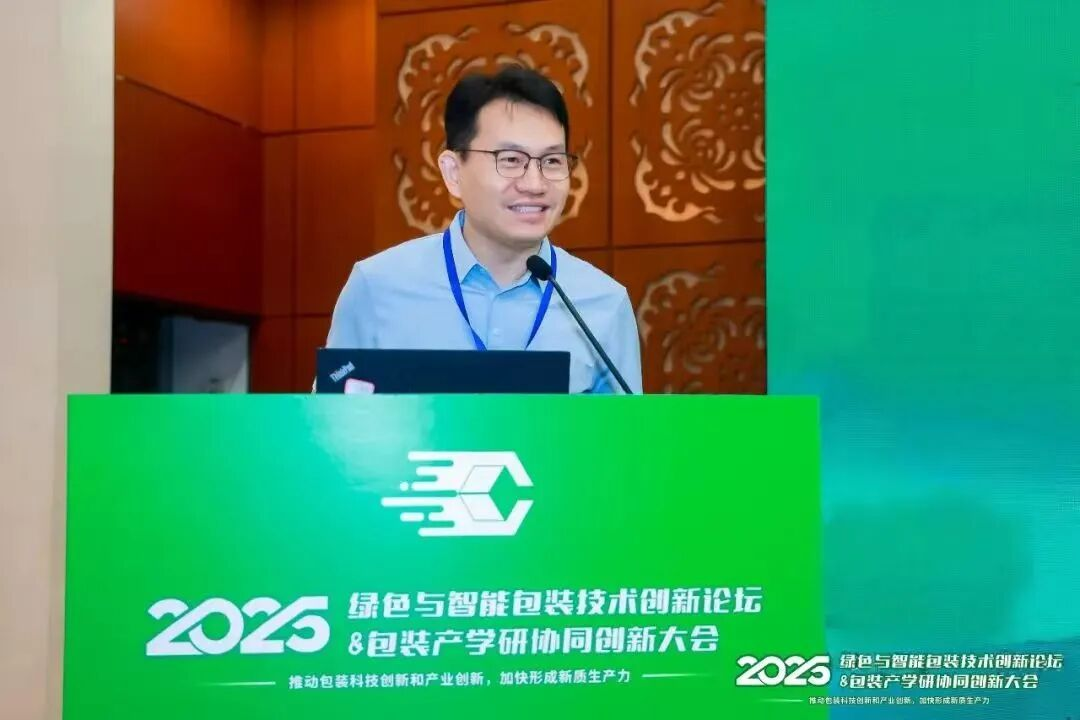
Hu Zhengyang, Deputy Secretary-General of the China Packaging Federation, attended the forum and delivered a speech.
Liquor (Baijiu) is not only a cornerstone consumer product in China’s economy but also a vital cultural and ceremonial symbol, carrying significant social and cultural value. In recent years, China’s Baijiu industry has maintained steady growth, with the market scale expanding at an annual compound growth rate exceeding 15%. Its packaging market has experienced rapid development in tandem. As consumers increasingly demand high-quality products, cultural experiences, and eco-conscious solutions, packaging has evolved from a mere “protective container” to a strategic carrier of brand storytelling, cultural expression, and emotional value.
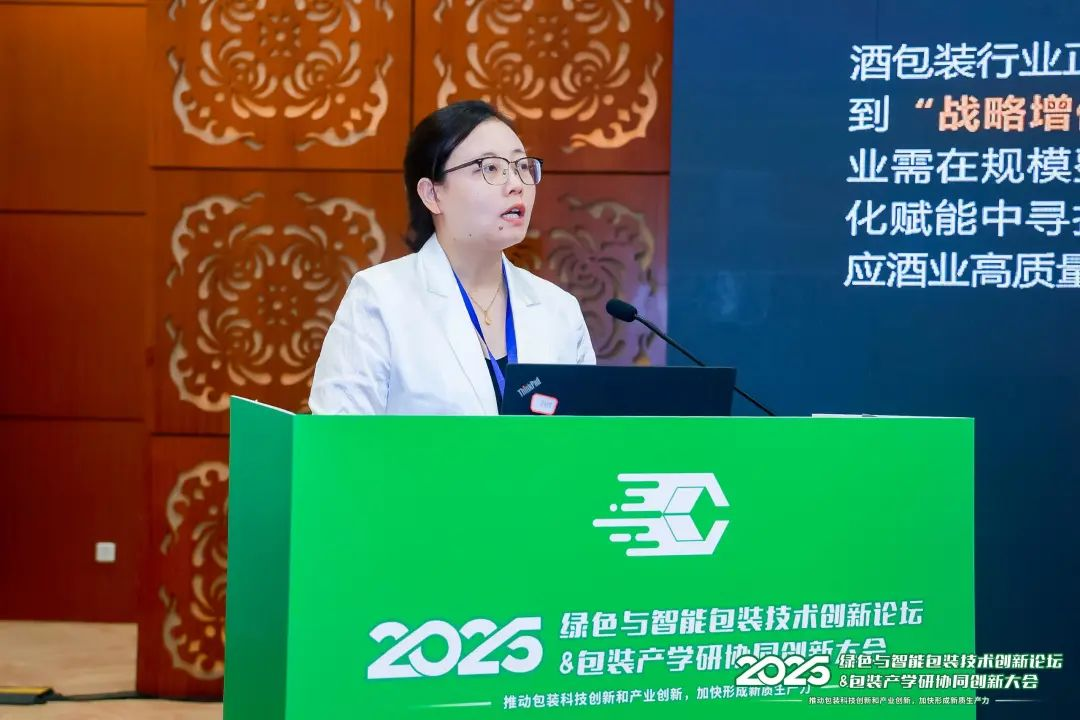
Sinotecho's Liu Na Delivers Keynote Presentation at Forum
Sinotecho's Liu Na emphasized that packaging serves as a bridge between brands and consumers, extending far beyond functional protection. In an increasingly complex market environment, packaging companies must meet not only functional requirements but also aesthetic expectations, cultural significance, and differentiation strategies. The rising awareness of environmental sustainability compels companies to adopt biodegradable materials, green production processes, and low-carbon solutions. The integration of traditional cultural elements demands designs that honor heritage while appealing to contemporary tastes. Diversified market strategies—such as volume-based pricing, new product pricing, and structural adjustments in Baijiu portfolios—further increase both complexity and opportunity.
As a result, packaging enterprises face unprecedented structural opportunities and challenges. Only by balancing scale consolidation, technological innovation, intelligent manufacturing, and cultural empowerment can companies achieve sustainable growth, enhance brand value, and stand out in a competitive market. Leveraging the integration of digitalization, smart manufacturing, and creative design, companies can deliver differentiated packaging solutions that combine efficiency, quality, and cultural depth—injecting new vitality and driving forward the development of the entire Baijiu industry ecosystem.
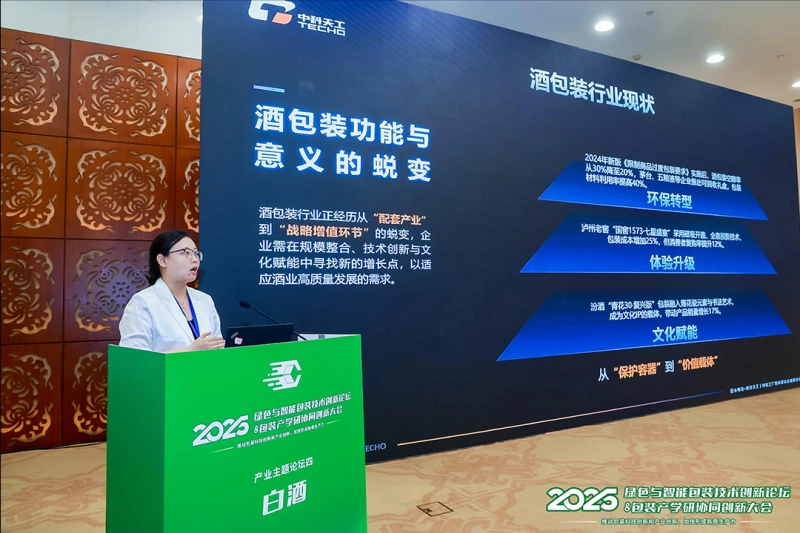
In the new phase of transformation for China’s Baijiu and packaging industries, the competitive landscape has become increasingly complex, with rapidly diversifying consumer demands. Traditional production methods and supply chain systems face mounting challenges. Liu Na emphasized that to maintain sustainable advantages in this competitive market, packaging companies must implement a dual-track strategy, simultaneously focusing on growing upward and rooting downward to achieve comprehensive and sustainable development.
1. Growing Upward: Building Smart Manufacturing Barriers
Growing upward means that packaging companies leverage scaled production, deep digital transformation, and intelligent upgrades to establish a core competitive barrier. By integrating automated equipment, smart logistics, and digital production management systems, firms can significantly enhance operational efficiency and reduce costs, while delivering high-quality, customized, and cost-effective solutions for leading Baijiu brands. This upward growth strategy enables companies to build a technological and capacity moat, while strengthening brand value, customer trust, and market share—laying a solid foundation for success in both domestic and international high-end markets.
2. Rooting Downward: Activating Innovation Potential
Rooting downward focuses on activating innovation potential and market agility. By strengthening creative design capabilities, building flexible supply chains, and promoting eco-friendly materials and process innovations, packaging companies can swiftly respond to niche market demands for new, personalized, and customized products. At the same time, firms accumulate experience in R&D, materials application, process optimization, and sustainable development, unlocking latent growth opportunities. Rooting downward not only enhances competitiveness in niche segments but also provides a rich reservoir of innovation for long-term strategic growth, enabling companies to steadily advance and generate deep value in a rapidly changing market environment.
Through the dual-track strategy, packaging companies can achieve balanced development across technology, production capacity, innovation, and market adaptability. They simultaneously build robust smart manufacturing barriers while stimulating internal innovation, thereby enhancing overall competitiveness and industry influence, and injecting sustained growth momentum into the Baijiu and high-end packaging markets.
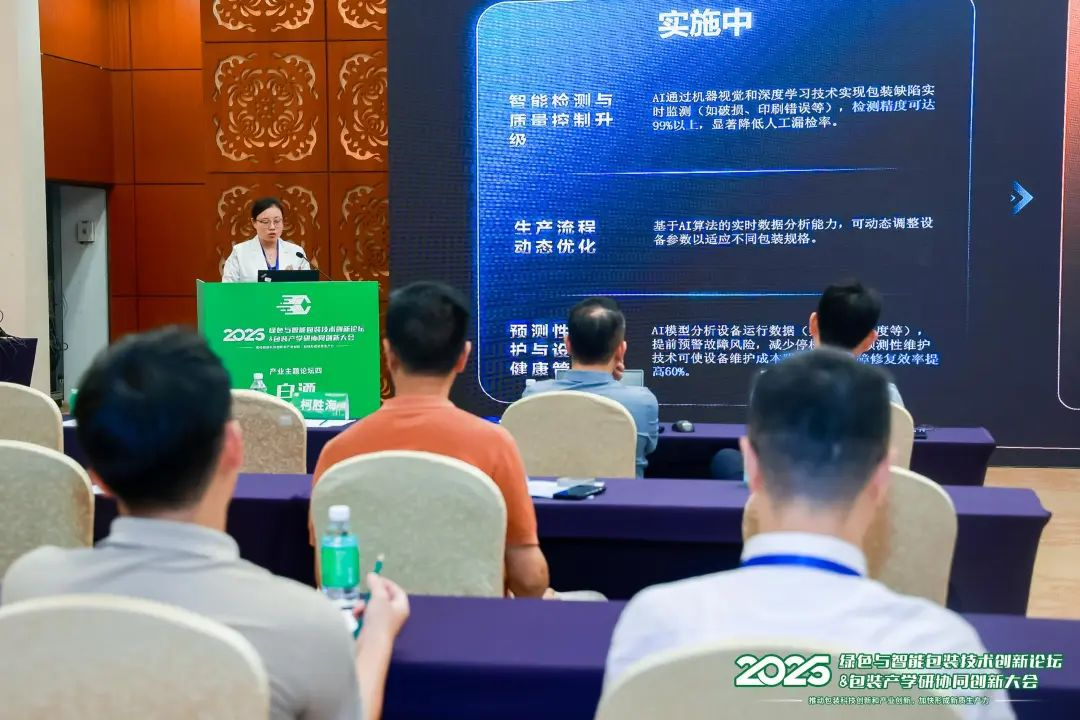
Detailed Explanation of the Smart Factory Solution for Wine Packaging
At the forum, Liu Na elaborated on Sinotecho’s AI-centered integrated smart factory solution, which empowers packaging companies to execute the dual-track strategy. Built on an industrial IoT platform, the solution connects all elements across devices, production lines, personnel, supply chains, and customers, enabling resource integration and efficient collaboration.
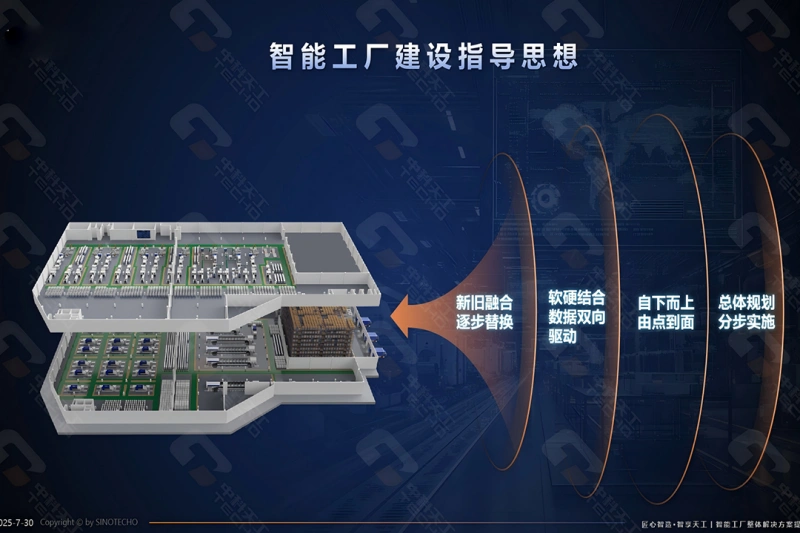
Following the principles of comprehensive planning, phased implementation; bottom-up, point-to-surface expansion; hardware-software integration; and gradual old-to-new replacement, Sinotecho guides packaging enterprises through a staged evolution from IoT (device connectivity) → Data Connectivity (closed-loop) → Intelligent Connectivity (AI-driven decision-making) → Collaborative Connectivity (ecosystem co-creation).
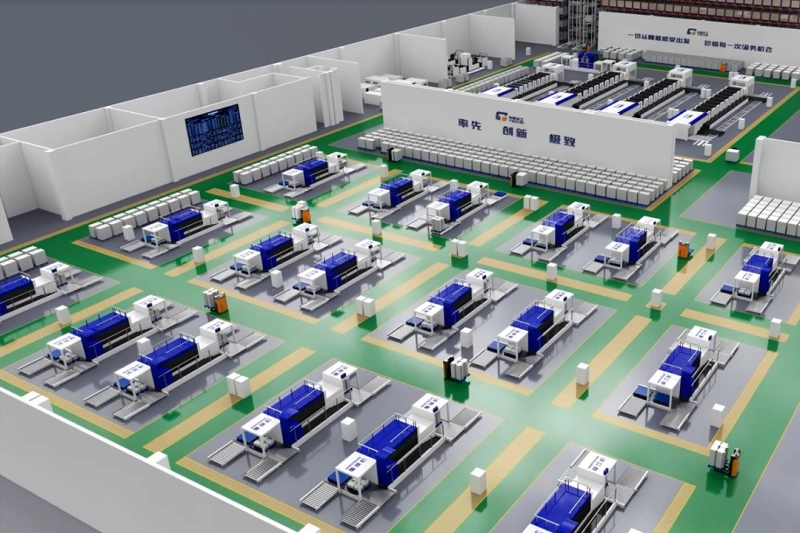
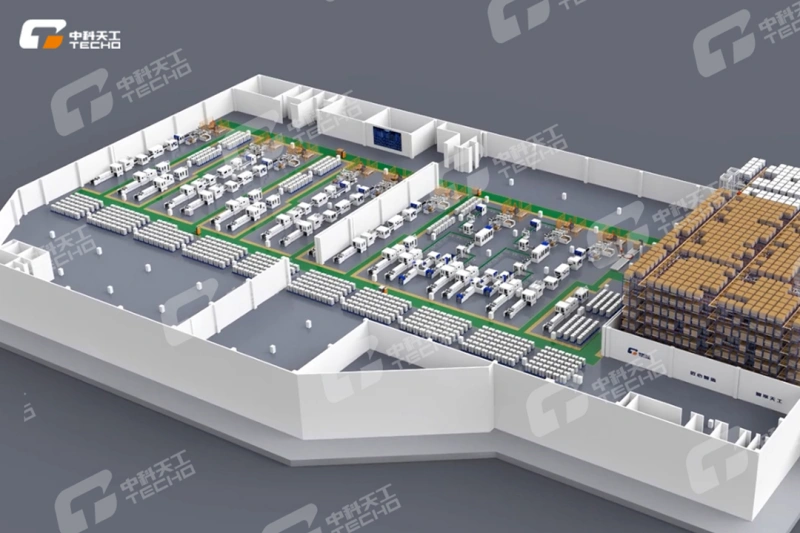
Liu Na summarized three core value-enhancement goals of the integrated smart factory blueprint:
Liu Na highlighted that the backbone supporting the smart factory blueprint is Sinotecho’s four-core capability matrix, cultivated over more than a decade:
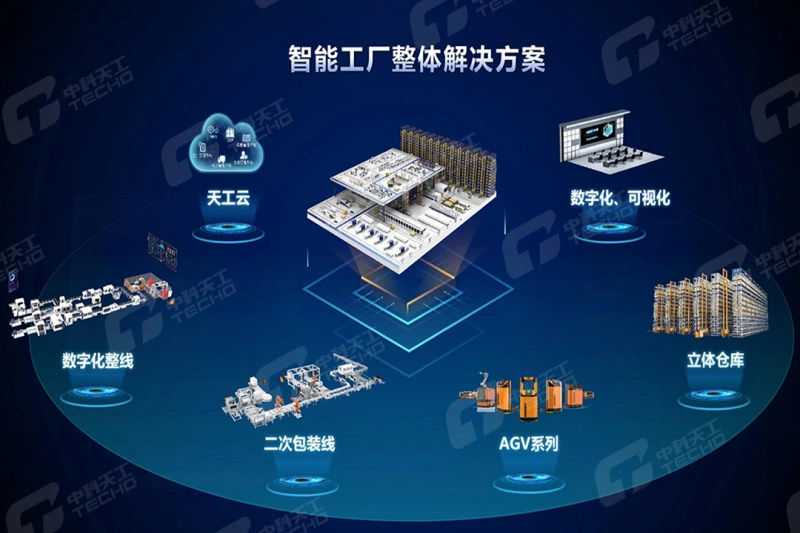
Through coordinated efforts across these four capabilities, Sinotecho fully empowers packaging companies to accelerate the deployment of smart factory solutions, achieving productivity leaps and maximum value realization.
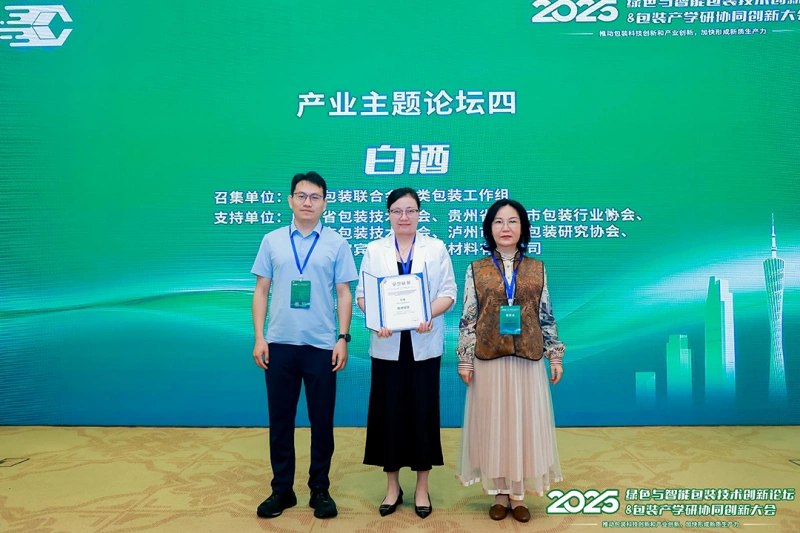
Hu Zhengyang, Deputy Secretary-General, presented the certificate of honor to Zhongke Tiangong.
Standing at the threshold of a new decade of development, Liu Na emphasized that Sinotecho remains committed to its vision of “Delivering the Chinese Solution, Packaging the World’s Future.” The company will continue to advance its integrated smart factory solutions, collaborate with industry partners to reshape standards, drive technological innovation, and foster ecosystem synergy. Sinotecho aims to empower the Chinese liquor packaging industry’s intelligent transformation, help Chinese packaging enterprises compete on the global stage, and contribute Chinese solutions to a green, intelligent future for the global packaging industry.

 EN
EN